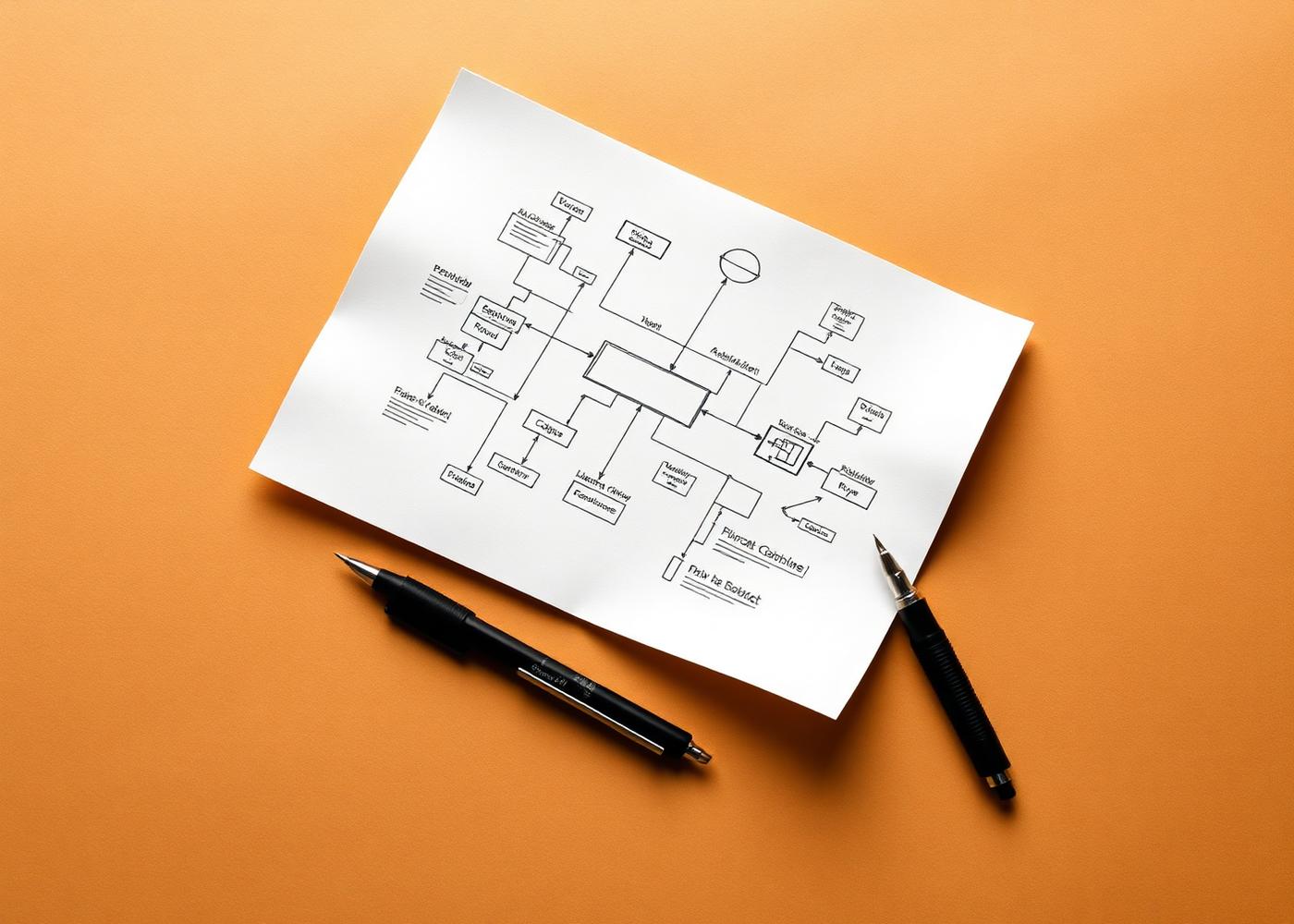
Mode 01
Delivery engagements
A defined outcome, a fixed timeline. JAM takes responsibility for building and shipping the system, then handing it over.
EN / DE
Frankfurt · Remote

JAM GmbH is a technology practice building custom software, cloud infrastructure and digital products for organisations that treat engineering as a serious craft.
We work with teams that need durable systems — the kind that keep running long after the launch, and that quietly compound in value year over year.
Correspondence
violetgarci79@gmail.com
§ 02 — Positioning
We are small on purpose. Each engagement is staffed by senior engineers who own decisions end-to-end, from architecture sketches through release, observation and iteration.
Our clients are technology-driven companies, in-house product teams and organisations undergoing modernisation. The common thread is a preference for careful work over theatrical work.
JAM GmbH is registered in Germany and operates across European and international projects. Our default working language is English, with correspondence available in German.
§ 03 — The practice
JAM GmbH exists to build software that behaves well — under load, under change, under scrutiny. We approach every system as something we may need to open again a year from now, and we write it accordingly.
The result is a small portfolio of long-lived engagements: platforms that quietly do their job, teams that trust the code they inherit, and companies that spend less time firefighting their own technology.
Practice
Software · Cloud · Data
Model
Long-term partnerships
Language
English · German

§ 04 — Capabilities
We move fluidly between product engineering, cloud infrastructure and technical consulting. In practice most engagements draw on several of these at once.
Purpose-built systems, from internal tools to customer-facing platforms.
Modern web stacks with a focus on performance, accessibility and durability.
Provisioning, orchestration and observability for production workloads.
Pipelines, warehouses and analytical surfaces that stay honest under change.
Discovery, architecture and second-opinion review for existing teams.
Careful evolution of legacy systems without disrupting the business around them.
§ 05 — Software development
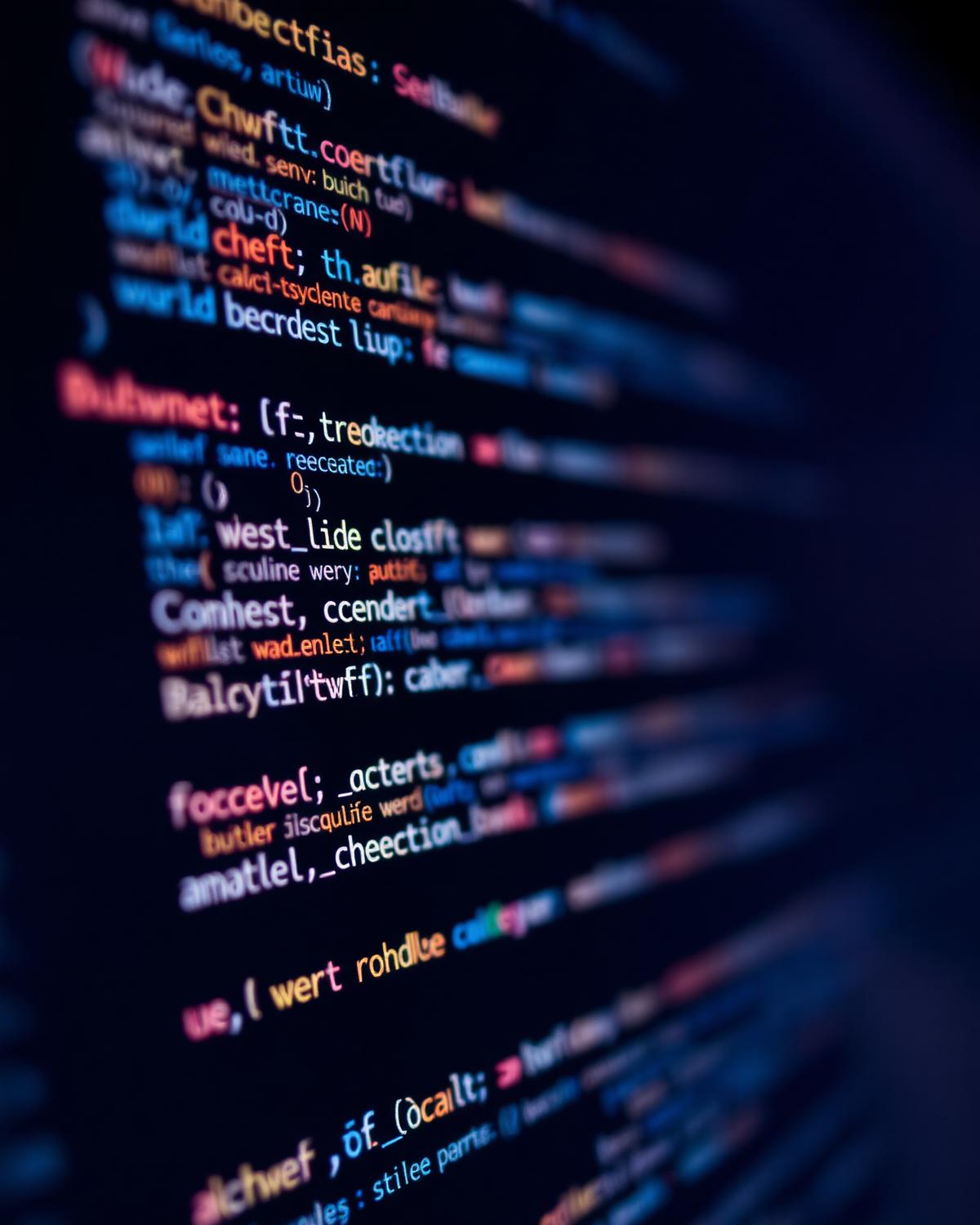
A codebase is a document. Someone will read it, argue with it, revise it. We try to leave every one better than we found it — clearly named, appropriately typed, honest about its edges.
§ 06 — Consulting
“Most technology problems, on close inspection, turn out to be organisational problems wearing a technical costume.”
Our consulting engagements start with observation: how work actually flows, which decisions repeat, where knowledge stops travelling. Only then do we write down architecture.
This produces recommendations that are implementable by the people who will have to live with them — a distinction we take seriously, having been on both sides of it.

§ 07 — Digital transformation
Transformation programmes fail when they treat existing systems as an obstacle rather than as context. We approach modernisation as a series of small, reversible moves: measure, migrate a slice, observe, then continue.
The goal is not to rewrite everything. It is to end each quarter with a system that is a little easier to reason about than it was three months earlier.
§ 08 — Working process
We start by understanding constraints — technical, organisational, temporal — before proposing anything.
A written brief and an architectural sketch. Both are cheap to change; the code that follows is not.
Small increments, visible to the client from week one, deployed continuously into a production-like environment.
Once live, systems need care. We stay involved for as long as the engagement calls for it.
§ 09 — Industries & contexts
We take on projects across a range of industries. What matters more than the sector is the shape of the problem: complex domains, ambitious timelines, and a willingness to invest in doing engineering properly.


§ 10 — Technology principles
— 01
Novelty for its own sake is a tax paid by the next engineer.
— 02
Every service you add is a service someone must operate.
— 03
A good type signature saves three meetings.
— 04
You cannot fix what you cannot see, and you will need to see it.
— 05
The size of a change is the size of the risk.
— 06
Do the thing you can undo before the thing you cannot.
— 07
The document is part of the system.
— 08
Real problems reward sustained attention.
— 09
It belongs in the first sketch, not the last review.
— 10
Code is temporary; colleagues are not.

§ 11 — Quality & security
Reliability and security are not phases at the end of a project. They emerge from how the system was assembled — the boundaries chosen, the data modelled, the tests written, the failure modes anticipated.
§ 12 — Collaboration model
Every engagement is shaped around the client's team, cadence and constraints. In practice most fall into one of these arrangements.

Mode 01
A defined outcome, a fixed timeline. JAM takes responsibility for building and shipping the system, then handing it over.
Mode 02
One or more of our engineers work alongside your team on a continuing basis, contributing to code, review and architecture.
Mode 03
Shorter, more focused work: technical due diligence, architecture reviews, hiring input, second opinions on a difficult decision.
§ 13 — Company values
We prefer explaining what we don't know to pretending we do. This tends to make projects shorter, calmer and more useful.
We treat our clients' systems, data and people with the same care we would extend to our own. Discretion is a habit, not a policy.
We take on work we believe we can do well. When something falls outside our practice, we say so and, where possible, point elsewhere.
§ 14 — Colophon
A technology practice for organisations that want their software to age well. Correspondence, project inquiries and technical questions are all received by email.